
Anti-Inflammatory Foods: 7 Science-Backed Superfoods to Fight Chronic Inflammation
Introduction
Inflammation is a natural and essential part of your body’s immune response. When you suffer a cut, infection, or injury, your immune system deploys white blood cells and inflammatory chemicals to protect and repair damaged tissues. This acute inflammation is short-lived and vital for healing.
However, when inflammation becomes chronic, it turns from a protector into a major health risk. Chronic, low-grade inflammation can linger for months or years, damaging healthy blood vessels, organs, and joints. Medical research links systemic chronic inflammation to serious conditions such as Type 2 diabetes, cardiovascular disease, arthritis, and Alzheimer’s disease.
Fortunately, your daily diet plays a massive role in regulating inflammation levels. Incorporating powerful anti-inflammatory superfoods into your meals can naturally neutralize free radicals and lower inflammatory markers.
What Causes Chronic Inflammation?
Modern lifestyle factors heavily contribute to systemic inflammation, including:
-
High intake of refined sugars, trans fats, and ultra-processed foods.
-
Chronic emotional or physical stress.
-
Environmental toxins and smoking.
-
Sedentary behavior and lack of physical exercise.
7 Powerful Anti-Inflammatory Superfoods
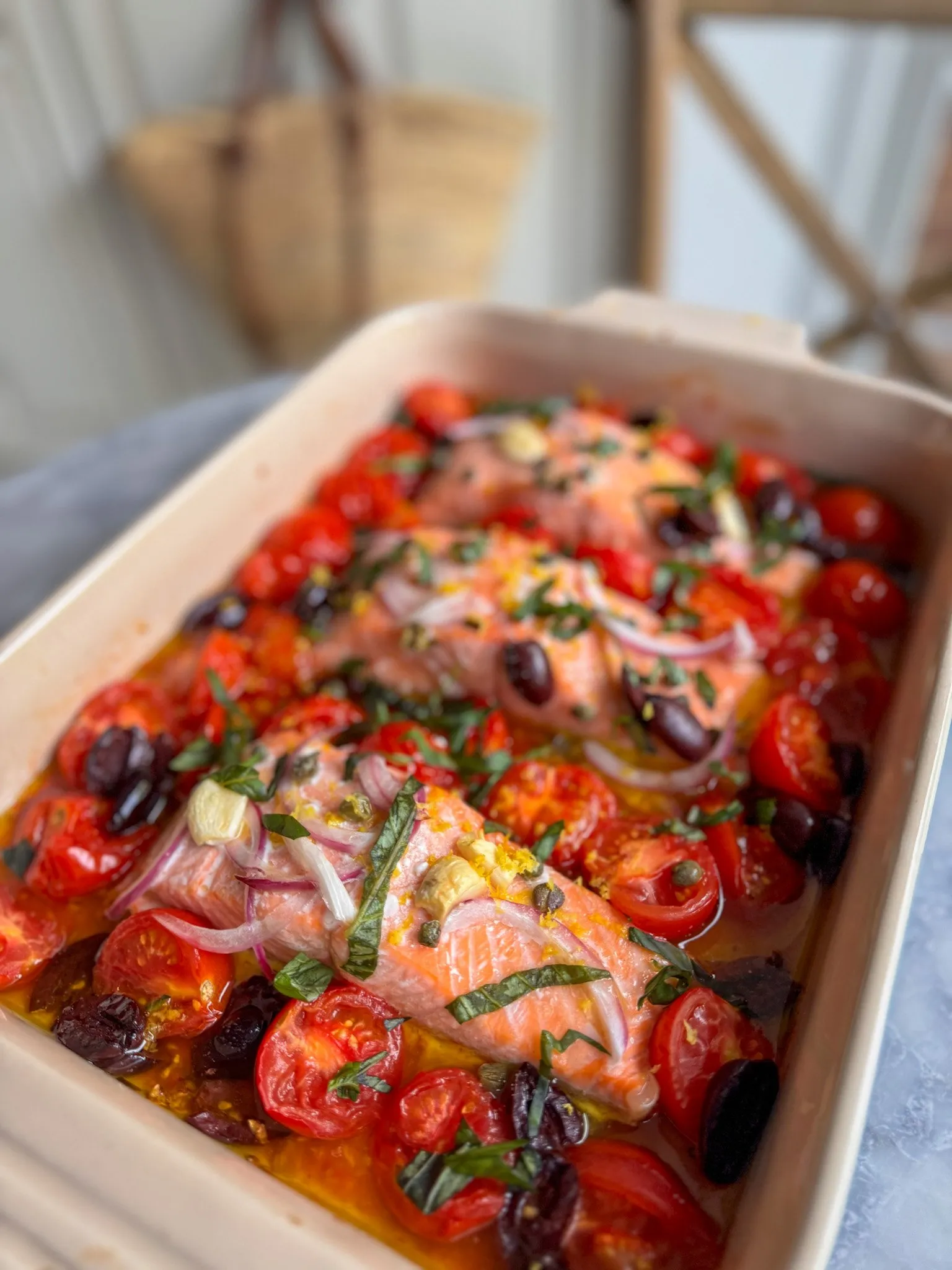
1. Fatty Fish (Salmon, Mackerel, Sardines)
Fatty fish are rich sources of long-chain omega-3 fatty acids, specifically EPA (eicosapentaenoic acid) and DHA (docosahexaenoic acid). Your body metabolizes these fatty acids into compounds called resolvins and protectins, which actively suppress inflammatory signaling pathways.
-
Recommended Intake: Eat wild-caught fatty fish at least twice a week.
2. Extra Virgin Olive Oil
Extra virgin olive oil is a core staple of the heart-healthy Mediterranean diet. It contains oleocanthal, a potent antioxidant whose anti-inflammatory effects have been compared to low doses of nonsteroidal anti-inflammatory drugs (NSAIDs) like ibuprofen.
-
Usage Tip: Drizzle raw extra virgin olive oil over salads and cooked vegetables rather than cooking at extremely high heat.
3. Turmeric and Black Pepper
Turmeric contains curcumin, a powerful anti-inflammatory compound that inhibits key inflammatory enzymes in human tissue. Because curcumin is poorly absorbed on its own, pairing it with piperine (found in black pepper) enhances its bioavailability by up to 2,000%.
-
How to consume: Add turmeric and a pinch of ground black pepper to curries, soups, or warm milk.
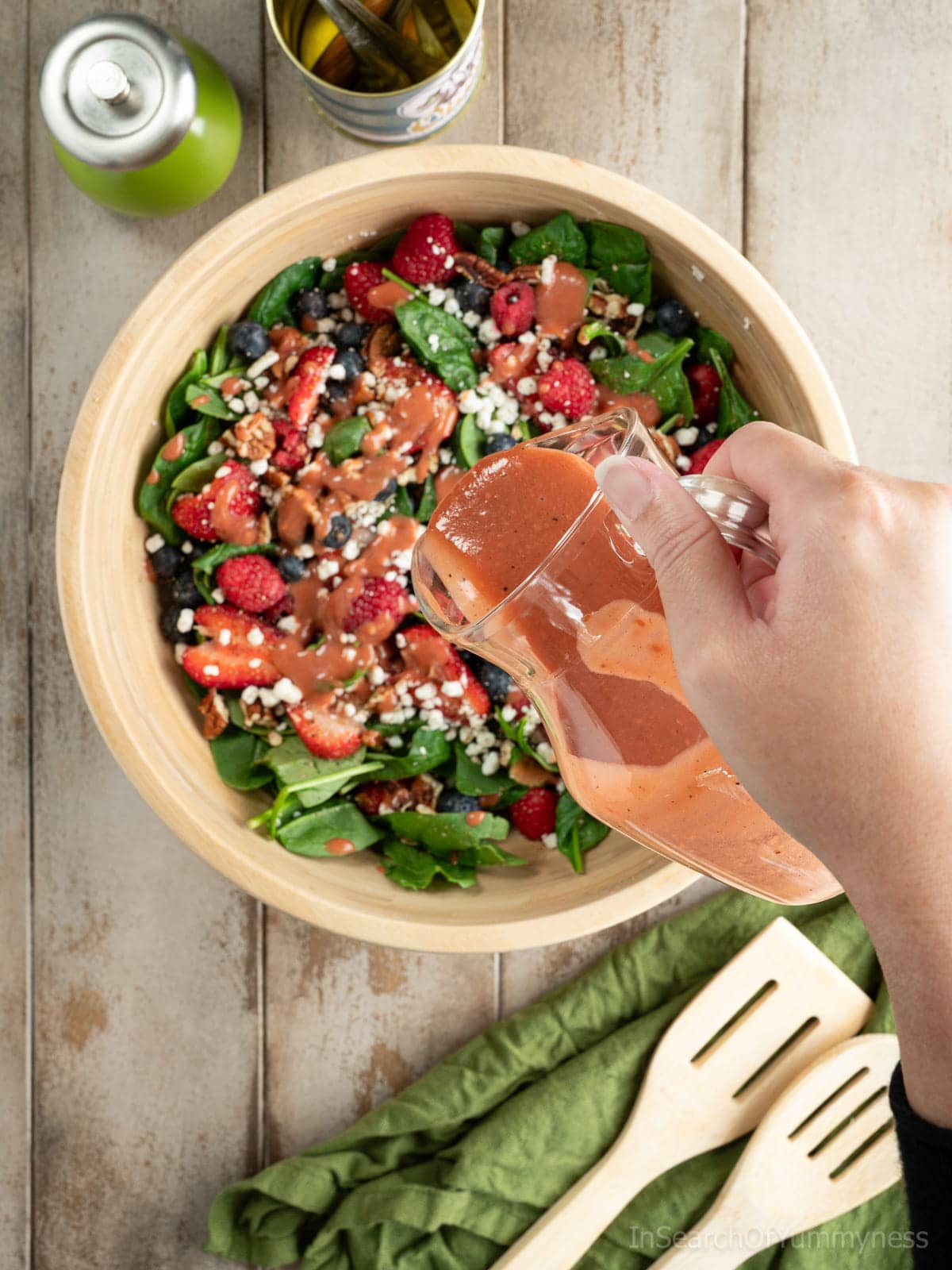
4. Dark Leafy Greens (Spinach, Kale, Swiss Chard)
Leafy greens are packed with vitamin K, lutein, and iron. Vitamin K plays a crucial role in lowering inflammatory protein concentrations in the bloodstream while protecting bone density.
5. Berries (Blueberries, Blackberries, Raspberries)
Berries contain potent antioxidants called anthocyanins, which give them their rich red, purple, and blue hues. Anthocyanins neutralize harmful free radicals, reduce oxidative stress, and boost immune cell production.
6. Green Tea
Green tea is renowned for its high concentration of epigallocatechin-3-gallate (EGCG), a unique polyphenol that inhibits cytokine production—the inflammatory signals responsible for cellular damage.
-
Daily Goal: Sip 2 to 3 cups of freshly brewed green tea daily.
7. Avocados and Nuts (Walnuts, Almonds)
Avocados and tree nuts provide abundant monounsaturated fats, vitamin E, and magnesium. Magnesium supplementation and dietary intake have been consistently linked to reduced levels of C-reactive protein (CRP), a key marker of inflammation in blood tests.
Foods to Avoid: Top Inflammatory Triggers
To maximize the benefits of an anti-inflammatory diet, minimize your consumption of:
-
Refined Sugars: High-fructose corn syrup, sodas, pastries, and candy.
-
Trans Fats & Processed Oils: Margarine, deep-fried fast foods, and partially hydrogenated oils.
-
Processed Meats: Hot dogs, sausages, and cured bacon containing artificial nitrates.
Conclusion
Transitioning to an anti-inflammatory lifestyle doesn’t require drastic or overly restrictive diets. By consistently swapping out processed foods for whole, nutrient-dense ingredients like fatty fish, leafy greens, berries, and olive oil, you can reduce systemic inflammation, protect your vital organs, and enjoy long-term vitality.