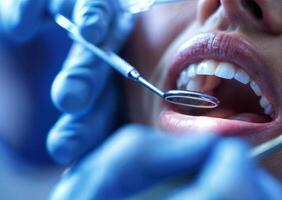
The Ultimate Guide to Teeth Whitening: 7 Safe Home Remedies vs. Professional Treatments
A bright, radiant smile is often considered a universal sign of health, youth, and confidence. However, due to daily habits such as drinking coffee, smoking, and natural aging, our teeth can gradually lose their shine and develop stubborn yellow or brown stains.
With so many products and remedies available today, choosing the right method to whiten your teeth without damaging your enamel can be overwhelming. In this detailed guide, we will explore the safest natural home remedies, effective over-the-counter options, and advanced professional dental procedures to help you achieve a sparkling white smile safely.
What Causes Teeth Discoloration?
Before diving into remedies, it is essential to understand why teeth become discolored in the first place. Teeth stains are categorized into two main types:
Extrinsic Stains: These occur on the outer layer of the tooth (enamel) and are caused by dark-colored foods and beverages like coffee, tea, red wine, sodas, and tobacco products.
Intrinsic Stains: These originate inside the tooth structure (denting) due to factors such as aging, tooth trauma, excessive fluoride exposure during childhood, or certain medications.
Top 4 Safe and Natural Home Remedies for Teeth Whitening
1. Baking Soda and Hydrogen Peroxide Paste
Baking soda is a renowned natural abrasive that effectively scrubs surface stains away, while hydrogen peroxide acts as a natural bleaching agent that kills oral bacteria.
How to prepare: Combine 1 tablespoon of baking soda with 2 tablespoons of 3% hydrogen peroxide to form a smooth paste.
Application: Brush gently using a soft toothbrush for 2 minutes and rinse thoroughly with water.
Frequency: Limit this routine to 2 times a week to avoid stripping enamel.
2. Oil Pulling with Organic Virgin Coconut Oil
Oil pulling is an ancient Ayurvedic practice designed to clean the oral cavity and eliminate harmful plaque-causing bacteria. Coconut oil contains high levels of lauric acid, known for its anti-inflammatory and antimicrobial properties.
How to use: Swish 1 tablespoon of cold-pressed coconut oil in your mouth for 10 to 15 minutes every morning before eating or drinking. Spit it out in the trash bin (not the drain) and brush your teeth normally.
3. Activated Charcoal Brushing
Activated charcoal binds to toxins, tannins, and surface stains, making it a popular trend for natural whitening.
How to use: Dip a wet toothbrush into food-grade activated charcoal powder and gently brush in small circles for 2 minutes. Spit and rinse until the water runs clear.
Precaution: Use it sparingly (once a week maximum) as charcoal can be overly abrasive for sensitive enamel.
4. Dietary Adjustments (Crunchy Fruits and Vegetables)
Eating raw, crunchy fruits and vegetables acts like a natural toothbrush by mechanically scrubbing plaque away as you chew.
Apples, Celery, and Carrots: Increase saliva production, which neutralizes acids and washes away food particles.
Strawberries: Contain malic acid, which helps break down surface discoloration.
Over-the-Counter (OTC) Options: Do They Work?
If natural remedies are too slow, commercial OTC solutions offer faster results:
Whitening Strips: These thin plastic strips are coated with a peroxide-based gel. When applied for 30 minutes daily over two weeks, they can brighten teeth by 2 to 3 shades.
Whitening Toothpastes: They contain mild abrasives and low-dose chemical agents. While great for maintaining white teeth, they rarely alter intrinsic colors deeply.
LED Light Kits: Home kits use blue light combined with peroxide gel to accelerate the stain-removal process safely.
Professional Dental Treatments: The Quickest Results
For deep, intrinsic stains, visiting a dentist provides the safest and most dramatic results:
In-Office Laser Bleaching: Dentists apply a high-concentration hydrogen peroxide gel combined with a specialized laser or heat light. This can whiten teeth by 5 to 8 shades in just one hour.
Custom Take-Home Trays: Your dentist creates custom plastic trays fitted to your exact teeth shape, along with professional-grade bleaching gel to use safely at home over 1 to 2 weeks.
Key Tips to Prevent Future Teeth Stains
Drink dark beverages (iced coffee, tea, sodas) through a straw to reduce contact with front teeth.
Brush and floss twice daily without fail.
Rinse your mouth with plain water immediately after consuming acidic or dark foods.
Avoid smoking and chewing tobacco products completely.
Final Thoughts
Achieving a whiter smile requires patience and consistency. While natural remedies like baking soda and oil pulling offer gentle improvements, professional care is recommended for severe stains. Always consult your dentist before starting any intense whitening regime, especially if you experience tooth sensitivity or gum recession.